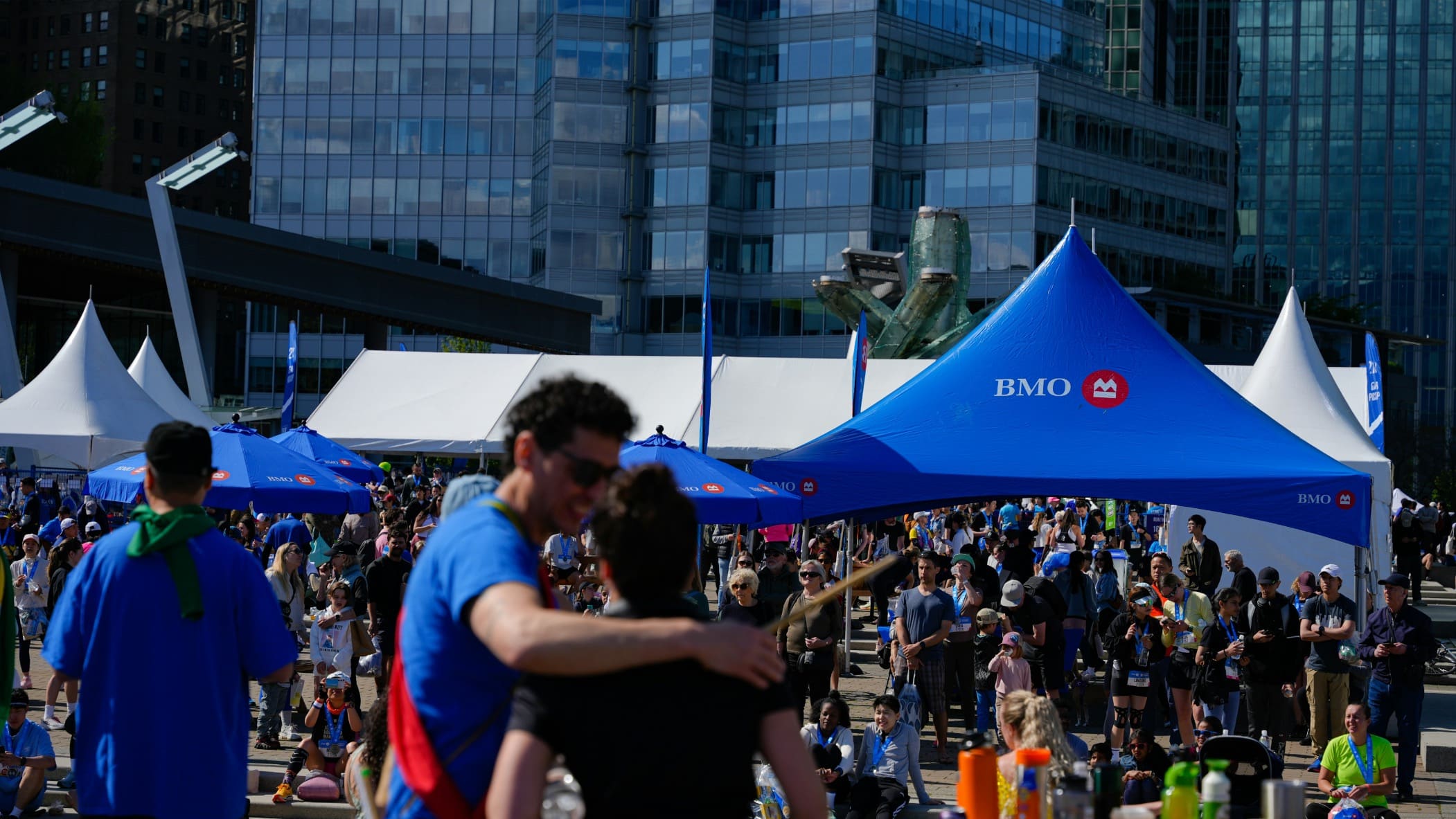
The room looked good. The venue was right, the catering was better than it needed to be, and around forty of the right people turned up and stayed longer than expected. Someone said it was the best event they had been to all year. Then everyone went home, the follow up emails got sent over the next fortnight, two people replied politely, and six months later you would struggle to point at a single client who came from it. This is the most common outcome in premium event marketing, and almost none of it is caused by anything that happened on the night.
The Event Is the Easy Part
Founders tend to pour their planning energy into the six weeks before the doors open. Venue, invitations, speakers, run sheet, catering, name badges, the awkward question of whether there should be a slide deck. It is visible work with deadlines attached, so it gets done.
What almost never gets planned with the same rigour is what happens in the ninety days beforehand and the ninety days afterwards. The event itself is roughly ten percent of the mechanism. It is the moment of concentrated attention in the middle of a much longer sequence, and if that sequence does not exist, the attention has nowhere to go.
This is why so many well executed events produce warm feelings and no revenue. Nothing went wrong. There was simply nothing built to catch what the event generated.
Why Premium Brands Run Events at All
Before the mechanics, it is worth being honest about the objective, because most event briefs are vague on this and that vagueness contaminates every decision that follows.
Events do a small number of things exceptionally well, and a lot of things badly. They are poor at generating volume. They are expensive per head. They are difficult to scale. What they do better than any other channel is compress a long trust-building process into a few hours of direct human contact.
For a premium service business, that matters enormously. Your buyers take months to decide. They are assessing judgement, competence, and whether they would want you in the room when something goes wrong. No amount of content answers that question as efficiently as three hours in the same space.
So the objective is rarely lead generation in the conventional sense. It is acceleration. You are taking people who were already circling and moving them meaningfully closer.
| Event Type | Primary Job | Realistic Expectation |
| Intimate roundtable (8 to 15) | Deepen relationships with near-ready buyers | Direct conversations, highest conversion rate |
| Workshop or bootcamp (20 to 50) | Demonstrate capability by doing the work | Strong authority signal, medium term pipeline |
| Hosted dinner or salon | Build relationships with referrers and peers | Referral network, rarely direct sales |
| Larger showcase (50+) | Visibility and market positioning | Brand awareness, weak direct attribution |
Did You Know? For considered, high-value services, a small roundtable of genuinely well-qualified attendees routinely outperforms an event ten times its size. The variable that predicts commercial return is almost never headcount. It is the quality of the invitation list and the strength of the follow up system behind it.
The 90 Days Before: Building the Reason to Attend
The single biggest determinant of event success is who is in the room, and that is decided by work done months earlier.
Start with the guest list, not the concept. Most events are designed first and populated second, which means you end up filling seats rather than curating them. Reverse it. Write down the thirty to fifty people you genuinely want in a room together, then design something they would actually rearrange their diary for.
Invite personally, at least at the top. A calendar invitation from a marketing platform tells a senior person exactly how much thought went into their inclusion. The people you most want there should hear from you directly, and they should understand why they specifically were asked.
Warm the list beforehand. Attendees who have been reading your thinking for weeks arrive differently. They arrive already partly convinced, ready to ask real questions rather than working out who you are. A short nurture sequence in the lead-up does more for event outcomes than an extra thousand dollars of catering ever will.
Set the qualification bar honestly. Free and open events attract people who collect free and open events. A modest ticket price, an application step, or a simple invitation-only structure raises attendee quality dramatically. Scarcity of access is a positioning signal, and for a premium brand it is one of the few forms of scarcity that reads as genuine rather than manufactured.
On the Day: Designing for What Happens Afterwards
The commercial value of an event is created almost entirely through conversation, not content delivery. Which means the run sheet should protect conversation rather than fill every minute of it.
- Cut the presentation time. Whatever you had planned, reduce it. Thirty minutes of genuinely useful content followed by real discussion beats ninety minutes of thorough coverage.
- Give people a reason to talk to each other. Peer connection is frequently the thing attendees value most, and it costs you nothing except a bit of structural thought.
- Do the work in front of them. Branding workshops for high-end businesses convert well precisely because attendees experience your thinking applied to their own situation rather than hearing about it in the abstract.
- Capture context, not just contacts. A name in a spreadsheet is nearly worthless. A name with a note about what that person is actually dealing with right now is the entire basis of your follow up.
- Never pitch from the front. A premium audience will forgive almost anything except being sold to after being invited somewhere. The offer belongs in the follow up, once you have earned the right.
Insider Tip from Sarah: The most useful five minutes of any event I run happens immediately after the last person leaves. I sit down and write, from memory, one line about every meaningful conversation I had. What they are wrestling with, what they said that surprised me, what they need next. That document is worth more than the attendee list, and if you wait until the next morning to write it, most of it is already gone.
The 90 Days After: Where the Revenue Actually Appears
This is the phase that separates events that produce clients from events that produce photographs.
Follow up within 48 hours, individually and specifically. Not a group thank-you email. A short personal note referencing the actual conversation you had. This is the highest leverage hour of work in the entire process and it is skipped constantly because it does not scale and is therefore easy to postpone.
Segment attendees by where they actually sit. They are not one group. There are people who are ready now, people who are interested but not ready, people who came for the peer network, and people who will never buy but might refer. Four groups, four completely different conversations.
Build a genuine post-event sequence. Most follow up dies after one email. The people who need three months to decide receive nothing during the exact period they are deciding. A structured sequence over eight to twelve weeks, sending genuinely useful material rather than reminders that the event happened, is where the delayed conversions come from.
Extend the content. One good event produces months of material. The questions asked in the room are the questions your entire market is asking. Turn them into articles, emails, and future event topics.
Keep the room alive. The peer connections formed at your event are an asset. Businesses that reconvene the same group periodically build something considerably more valuable than a series of one-off gatherings.
Measuring Something Other Than the Vibe
Post-event assessment is usually a conversation about whether people seemed to enjoy it. That is worth knowing and tells you almost nothing commercially.
| Metric | Timeframe | Why It Matters |
| Qualified attendance rate | Day of | Did the right people actually turn up, or just people? |
| Conversation depth | Day of | How many genuinely substantive discussions occurred? |
| Follow up response rate | 2 weeks | Did the event earn you the right to a reply? |
| Enquiries attributed | 90 days | The number most events never bother tracking |
| Referrals generated | 6 months | The delayed return that makes small events worthwhile |
| Cost per qualified conversation | 90 days | Far more honest than cost per attendee |
Where Events Fit Alongside Everything Else
Events are an accelerator, not an engine. They work when there is something to accelerate. If your positioning is unclear, your follow up infrastructure does not exist, and nobody in your market has heard of you, an event will not fix any of that. It will simply be an expensive evening.
Where they earn their place is in a system that already has visibility feeding a nurture process feeding a conversion pathway. Drop an event into that and it compresses months of relationship building into a single afternoon. Run one in isolation and you have paid a significant amount of money for goodwill that will have evaporated by the following quarter.
The Question Worth Asking Before You Book Anything
Not “what event should we run,” but “what specifically do we need to happen in the relationships we already have, and is a room the fastest way to make it happen?”
Sometimes the answer is yes and the event is the right call. Often the honest answer is that the twelve people you would have invited would be better served by twelve individual conversations, which cost nothing and require no venue.
Before you commit to a date, map the ninety days either side on a single page. If those two sections are thinner than your run sheet, you are planning an occasion rather than a marketing activity, and the results will reflect that.
If you want to work out whether an event is genuinely the right move for your business right now, book your Revenue System Diagnostic and we will look at where it would sit in your wider system, and whether the infrastructure around it is ready to catch what it produces.