
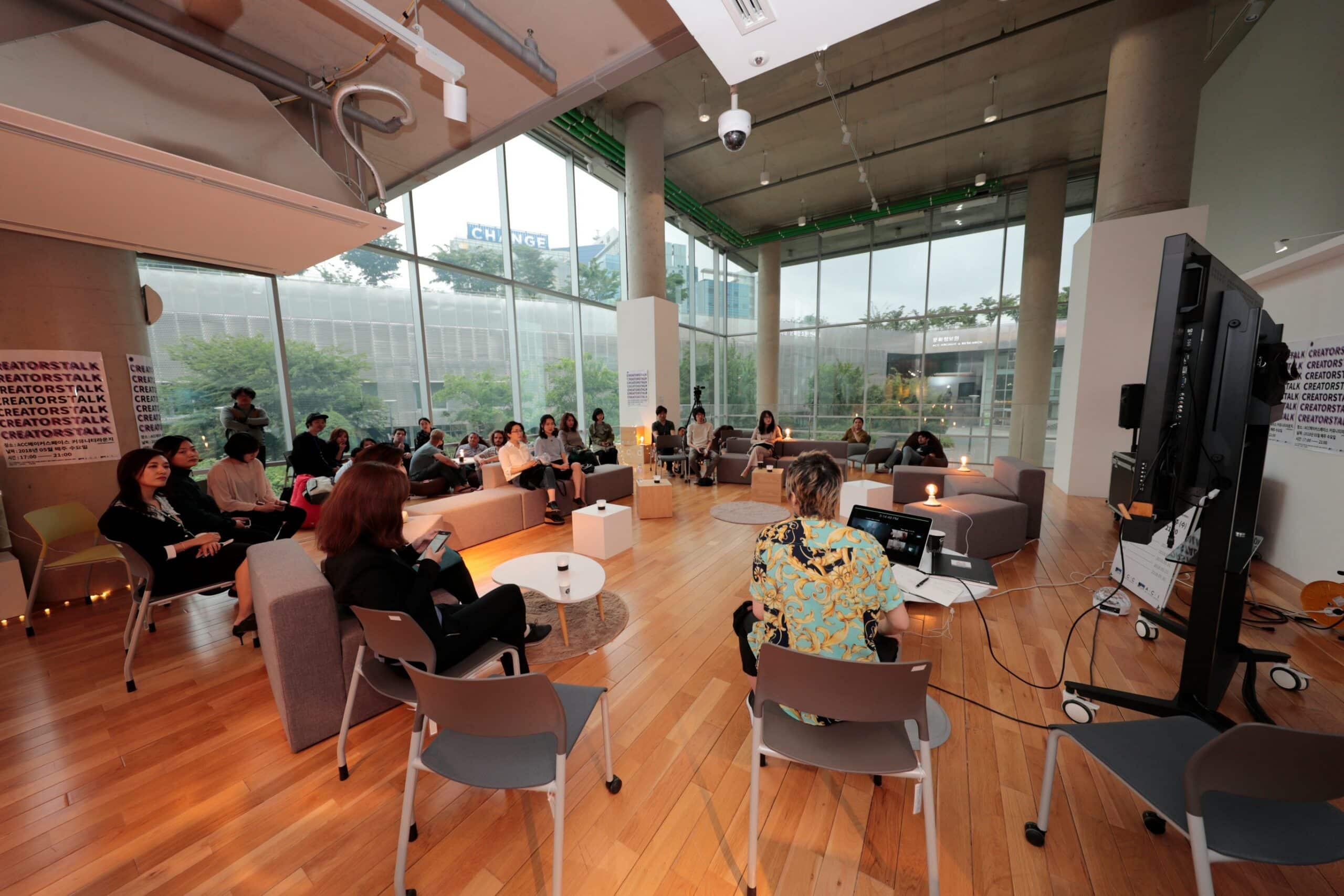
The workshop was genuinely good. A full day offsite, a facilitator who knew what they were doing, the whole leadership team in one room for the first time in months. There was butcher paper, there were sticky notes, there was a moment around two in the afternoon where everyone agreed on something important and the energy in the room visibly lifted. A beautifully formatted document arrived a fortnight later. Six months on, the website says exactly what it said before, the sales team is describing the business the way it always has, and nobody can quite remember what was decided. The day was not wasted, exactly. It just did not change anything.
A Workshop Is for Decisions, Not for Alignment
This is the error underneath almost every brand workshop that produces nothing. The day gets designed to build shared understanding, which is pleasant and feels productive and is not what the day is for.
A workshop is expensive. You have taken your most senior people out of the business for a day, which means the only justification is making decisions that cannot be made any other way. Everything that can be resolved by email should have been resolved by email before anyone booked a room.
The decisions that genuinely need a room are the ones where intelligent people disagree and the disagreement has been quietly unresolved for a long time. Who the business is actually for. What it will stop doing. How it is different in a way that could be written down and defended. Those cannot be settled asynchronously, because nobody will put the disagreement in writing.
Why Most of Them Produce a Document and Nothing Else
The pattern is consistent and the causes are structural.
- Nobody in the room could actually decide. If the person with final authority is absent, or present but unwilling to close anything on the day, the output is a recommendation rather than a decision, and recommendations die in inboxes.
- Consensus was the goal. A room optimising for everyone being comfortable will produce something broad enough that nobody objects, which is the definition of weak positioning.
- The hard question was left until late. Brand workshops reliably spend the morning on values and vision, which are enjoyable, and reach the genuinely contested question with forty minutes left.
- Nothing was written in final language. Agreeing on a direction is not the same as agreeing on a sentence. Until actual words exist, four people will leave with four interpretations.
- There was no implementation owner. The document arrives, everyone is busy, and the change requires rewriting a website, retraining a sales conversation and redoing a proposal template. Without someone whose job that is, it does not happen.
Did You Know? In most organisations, the brand decisions that fail to stick are not the ones people disagreed with. They are the ones nobody disagreed with out loud. Silent dissent in a workshop reappears three months later as a quiet refusal to use the new language, and it is almost impossible to address once the room has dispersed.
The Four Decisions That Have to Come Out of the Room
If a day produces these four, written in final language and agreed by someone with the authority to agree, it was worth doing. If it produces anything less, it was a conversation.
| Decision | What It Must Specify | How You Know It Is Real |
| Who this business is for | A defined segment, not a demographic | Someone in the room is uncomfortable with who it excludes |
| Who it is not for | Named, in plain language | You can say it out loud to a prospect |
| What we are claiming | One sentence, defensible, specific | A competitor could not put it on their site |
| What changes as a result | Named assets, named owners, dates | Something is on someone’s calendar by Friday |
The second row is the one that gets skipped and the one that makes the rest real. A business that cannot name who it is not for has not positioned, and the discomfort people feel when they say it is the signal that an actual decision has been made.
The fourth row is where the day either becomes permanent or evaporates. Positioning that does not immediately change a specific page, a specific template and a specific conversation will revert, because the old language is already everywhere and it does not require anyone to do anything.
Who Should Be in the Room
Workshops fail on attendance more often than on facilitation.
The person with final authority must be present for the whole day. Not available by phone, not dropping in after lunch. If they cannot commit the day, move the day.
Someone who talks to clients every week needs to be there. The gap between how a leadership team describes the business and how it is described in an actual sales conversation is usually substantial, and only one of those descriptions is being tested against reality.
Someone who will have to implement it should be there. Whoever owns the website, the proposals, the content. They will identify in the moment what is unworkable, which is far cheaper than discovering it in month two.
Keep the number small. Six is comfortable, eight is the ceiling. Beyond that the quiet people stay quiet, and the quiet people are frequently the ones holding the objection that matters.
And consider carefully who should not be there. Anyone whose presence will stop someone else from speaking honestly is a net negative on the day, regardless of seniority.
Internal or External Facilitation
The question of who runs the day gets decided on budget more often than on what the day actually requires, and the two are not the same.
Running it internally works when the disagreement is mild, the authority is clear, and the person facilitating is not personally invested in one of the outcomes. That last condition is the one that usually fails. A founder cannot facilitate a session about a decision they have already made, and a marketing lead cannot neutrally chair a discussion about whether their own strategy is working.
An external facilitator earns their fee in a narrow but important way. They can ask the question nobody internal is willing to ask, they can press someone senior without career consequences, and they can tell the room that what it just agreed is too vague to act on. None of that requires deep knowledge of your industry. It requires not needing anything from anyone present.
What an external person cannot supply is the content. They do not know your clients, your numbers or your market, and a facilitator who arrives with a framework and no preparation will run a pleasant day that produces generic output. The useful arrangement is an outsider holding the process and your own people supplying everything that goes into it.
The Work That Happens Before the Day
A workshop with no preparation spends its first three hours assembling information that could have been circulated a fortnight earlier.
Before the day, someone should have gathered the actual client data. Which engagements were most profitable, which were most straightforward, what the overlap looks like. Not impressions. The list.
Someone should have spoken to clients. Five or six conversations asking what they were weighing up, what nearly stopped them, and how they describe the business to other people. These answers routinely contradict what the leadership team believes and they change the conversation in the room entirely.
And the contested question should be named in advance. If everyone arrives knowing that the day will settle whether the business continues serving a particular segment, they arrive prepared to argue it. If it emerges as a surprise at three in the afternoon, it gets deferred.
Insider Tip from Sarah: I open these days by asking everyone to write down, privately and before any discussion, the one client the business should probably stop serving. The answers go up on the wall anonymously. It takes four minutes and it does more than any amount of structured discussion, because it surfaces the disagreement immediately rather than letting it hide behind agreeable conversation until the afternoon. If every answer is the same, you have your decision. If they are all different, you have found what the day is actually about.
Structuring the Day Itself
A shape that works, loosely.
- Start with evidence rather than aspiration. The client data, the interview findings, the numbers. Beginning with facts rather than vision keeps the conversation anchored to the business that exists.
- Reach the contested decision before lunch. Energy and honesty both decline through the afternoon. Whatever is hardest should be addressed when people are sharpest.
- Write the actual words in the room. Not after. The sentence that defines the position should be drafted, argued over and agreed while everyone is present, because the argument about wording is the argument about meaning.
- Finish with assignment. The last hour is not a summary. It is who is doing what, to which asset, by when.
Resist the urge to cover everything. A day that settles two things properly is more valuable than one that touches eight.
What Has to Happen in the Following Fortnight
The decay is fast and the window is short. Within two weeks, something visible has to change or the day will be remembered as an interesting discussion.
The most effective first moves are small and concrete. The homepage headline. The first paragraph of the standard proposal. The way the business is described in the opening of a sales conversation. Each takes an hour and each makes the decision real in a place people encounter daily.
The document matters far less than anyone expects. A two page summary that gets used beats a forty page brand guide that gets filed, and the difference is almost entirely about length.
What also helps is one scheduled review, roughly six weeks out, with a single question on the agenda. What has actually changed. That meeting being in the calendar before everyone leaves the workshop is frequently the difference between implementation and drift.
When a Workshop Is the Wrong Tool
Not every brand problem is a room problem, and spending a day together on the wrong one is an expensive way to find that out.
If the issue is that nobody knows what the market thinks, the answer is research, not discussion. A room full of people speculating about buyer behaviour will produce confident conclusions with nothing underneath them.
If the issue is that the position is clear and nothing has been implemented, another workshop will not help. That is an execution and accountability problem, and a second day spent redeciding what was already decided tends to make it worse by suggesting the first decision was provisional.
And if the real issue is a disagreement between two people about the direction of the business, a group session is the wrong venue. That conversation needs to happen between them first, because a workshop built around an unresolved conflict between the two most senior people will quietly become about that conflict and settle nothing else.
How to Tell Whether It Worked
Not by whether people enjoyed the day. Those two things are unrelated and frequently inversely so, because the useful days involve a difficult conversation.
Six weeks out, the honest tests are whether the new language appears in material that goes to clients, whether anyone has declined work on the basis of the decision, and whether two different people in the business describe who it serves the same way without checking. That last one is the real measure. Positioning that lives in a document is a document. Positioning that comes out of two people’s mouths identically is a position.
Where to Start
If you are considering a brand workshop, the preparation matters more than the facilitator. Gather the client data, have the conversations, and name the contested question in advance.
And be honest about whether a workshop is the right instrument at all. If the decision is genuinely the founder’s to make and they already know the answer, a day of group discussion will produce a diluted version of it. Workshops are for disagreements that need resolving, not for building consent around a decision that has already been taken.
Something to do before you book anything. Ask three people in your business, separately, to describe in one sentence who the business is for. If you get three different sentences, you have the agenda for the day and a clear reason to hold it.
If you want the evidence base before anyone walks into a room, the Revenue System Diagnostic examines where your positioning, your messaging and your revenue system are misaligned, which gives a workshop something concrete to work from rather than opinion.